Sexual health is among the more discussed issues for college students but putting that knowledge into practice is less common among many students attending university. The rate of STIs and unplanned pregnancies is high among the student population, much of which is due to lack of resources.
At the University of New Mexico, departments such as the Student Health and Counseling Center (SHAC), the LGBTQ Resource Center, and the Womens Resource Center, provide students with resources
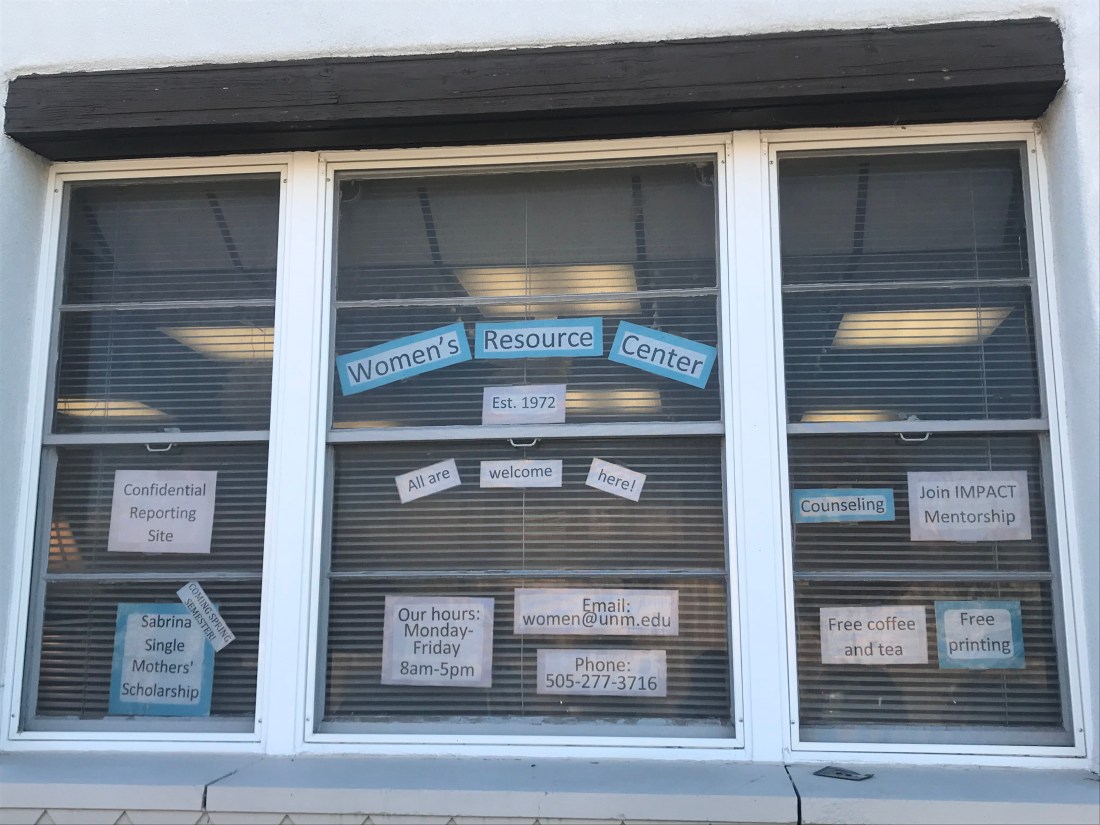


they may need regarding sexual and mental health. Their services include but are not limited to: STI testing, condoms and birth control, and well as counseling and support for students with an experience of sexual violence.
“Sexual Health on any college campus is important, no matter who or where you are,” said Tiffany Martinez-Durant, the Health Promotion and Outreach specialist at SHAC.
Sexually transmitted infections and diseases are something to be taken seriously, and many college campuses provide services, such as free testing and supplying forms of birth control, to prevent students from suffering from what can be a life threatening illness. 24% of college campuses in the United States offer free STI testing for students, up to and including UNM.
“The process of getting tested is stressful in itself but the doctor made me feel comfortable and made sure I was ready to get my results, they were really respectful towards my situation and the experience. More than anything, it felt good to be confident that I was clean,” said a freshman that experienced free HIV testing conducted by SHAC.
SHAC provides free testing on Tuesdays and Thursdays for students to ensure that students are getting checking as frequently as they feel needed.
According to the CDC, Center for Disease Control, 1 out of 2 people will contract an STI by the age of 25. “Here at SHAC we want to ensure that our Lobos aren’t a part of that statistic,” said Durant.
At UNM, SHAC has a program well known by residents on campus known as the “Condom Mint Program.” This program provides condoms to all students that find the desire to take from their baskets. These baskets can be found in multiple residence halls on campus, Johnson Center, Mesa Vista Hall, the Student Union Building, and in the SHAC office. This is a way to provide free contraception and protection against STDs in a convenient and casual way for students.
College is a time in which individuals experiment with their sexual freedom, and as a result, rates of STIs in people between the ages of 19-24 are increasingly high. Being aware of these statistics and making your sexual health a priority is a simple and easy way to ensure that you stay safe, regardless of how sexually active you are. Taking advantage of the resources available such as free condoms and testing is a simple and worthy step to take.
“As well as being partners with the “Condom Mint” program on campus, we also provide advocacy for students who have suffered from trauma,” said an employee at the Womens Resource Center.
The importance of protected sex is stressed extensively to students, but among the less spoken for aspects of sexual health is the importance of support in association with sexual violence. Among the largest issues on college campuses is that of sexual violence, and from that is the vast majority of those who have suffered from sexual violence in silence. More than 90% of sexual assaults on college campuses go unreported. In accordance with this statistic, UNM provides reporting locations that offer a wide variety of reporting options, up to and including anonymous reporting options for those who aren’t entirely comfortable openly reporting their assault. Along with reporting services, SHAC provides mental health and medical services for those recovering from a sexually violent experience.
“Sex has a stigma to it and here at SHAC we want to break all the barriers that we can so that our students are protecting themselves and their risk factors aren’t as prominent so that they can live their life comfortably knowing that they’re safe,” said Durant.

 Sexual Health in college